«What’s so wonderful about ballet is that it’s mind-driven physicality. It’s almost a Greek ideal of body, mind, and form.»
Edward Villella in Nancy Upper’s Ballet Dancer’s in Career Transition
A user on X shared a video of possible subtitles for ballet:
Perhaps subtitles would help newcomers understand ballet better. https://t.co/H1KuAf3MzI
— Timeless Classics (@Moonlighhy) November 18, 2026
If the post is gone, a screenshot is below:
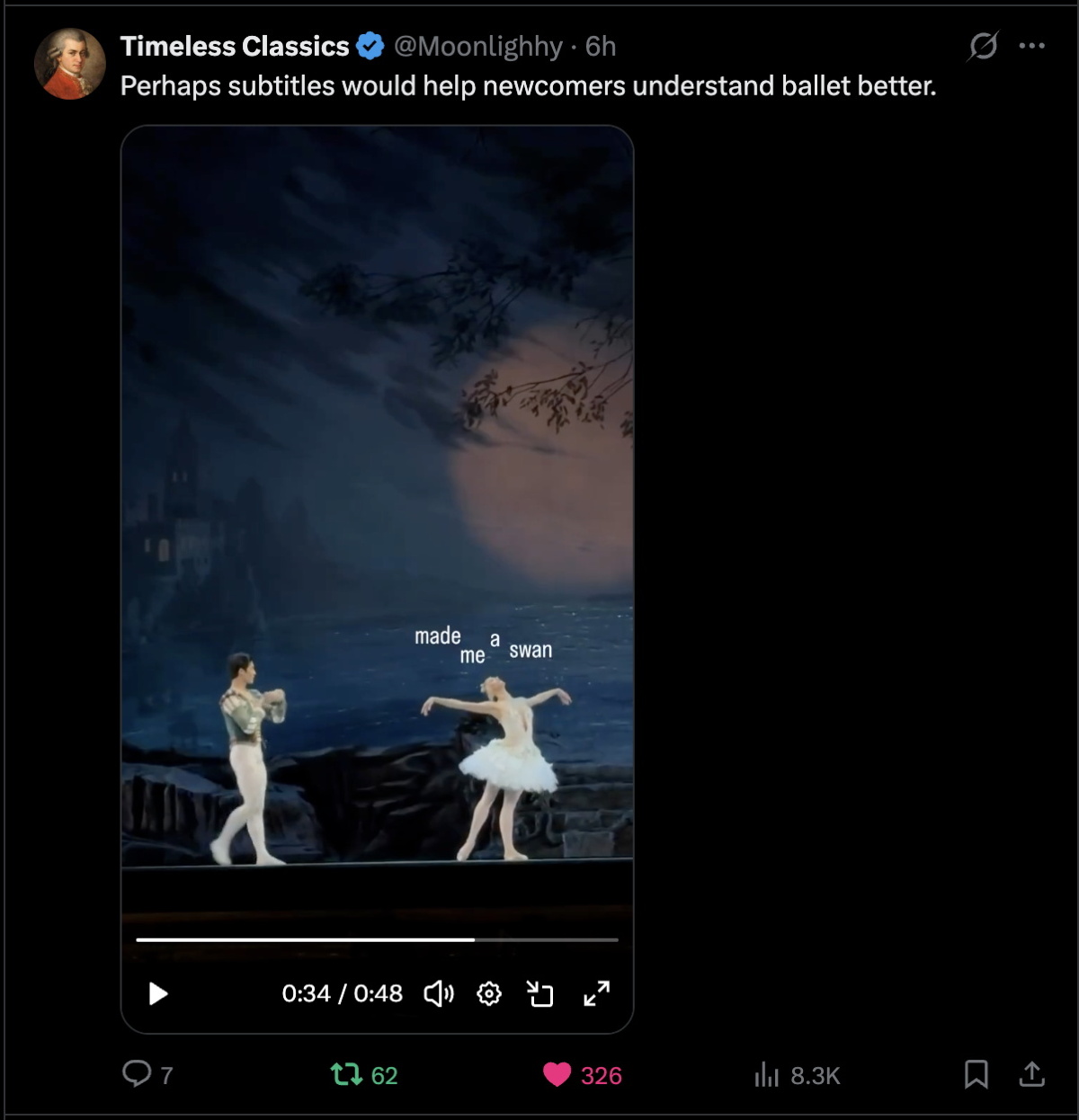
That is a very cool idea. Ballet does have ballet mime or pantomime, with certain gestures conveying recognizable meanings. For example, the video below (https://www.youtube.com/watch?v=WaZnAyXsX4k) shows the same scene from «Swan Lake», first without explanation, then after a minute, with explanation:
So while the subtitles are somewhat humorous, they are pretty close. These subtitles would allow inexperienced viewers to understand way more. An exchange that looks like decorative arm movements may actually communicate, e.g.,
- Hands crossed over the heart: love.
- Pointing toward the ring finger: marriage or engagement.
- Pointing toward the eyes: seeing or looking.
- Hands circling above the head: dancing.
- Crossing clenched fists: death.
Of course, they might distract from the choreography and might force an interpretation, instead of appreciating the interplay of choreography, music, and expression. And badly done subtitles might be in the wrong place:

though there are ways around it:
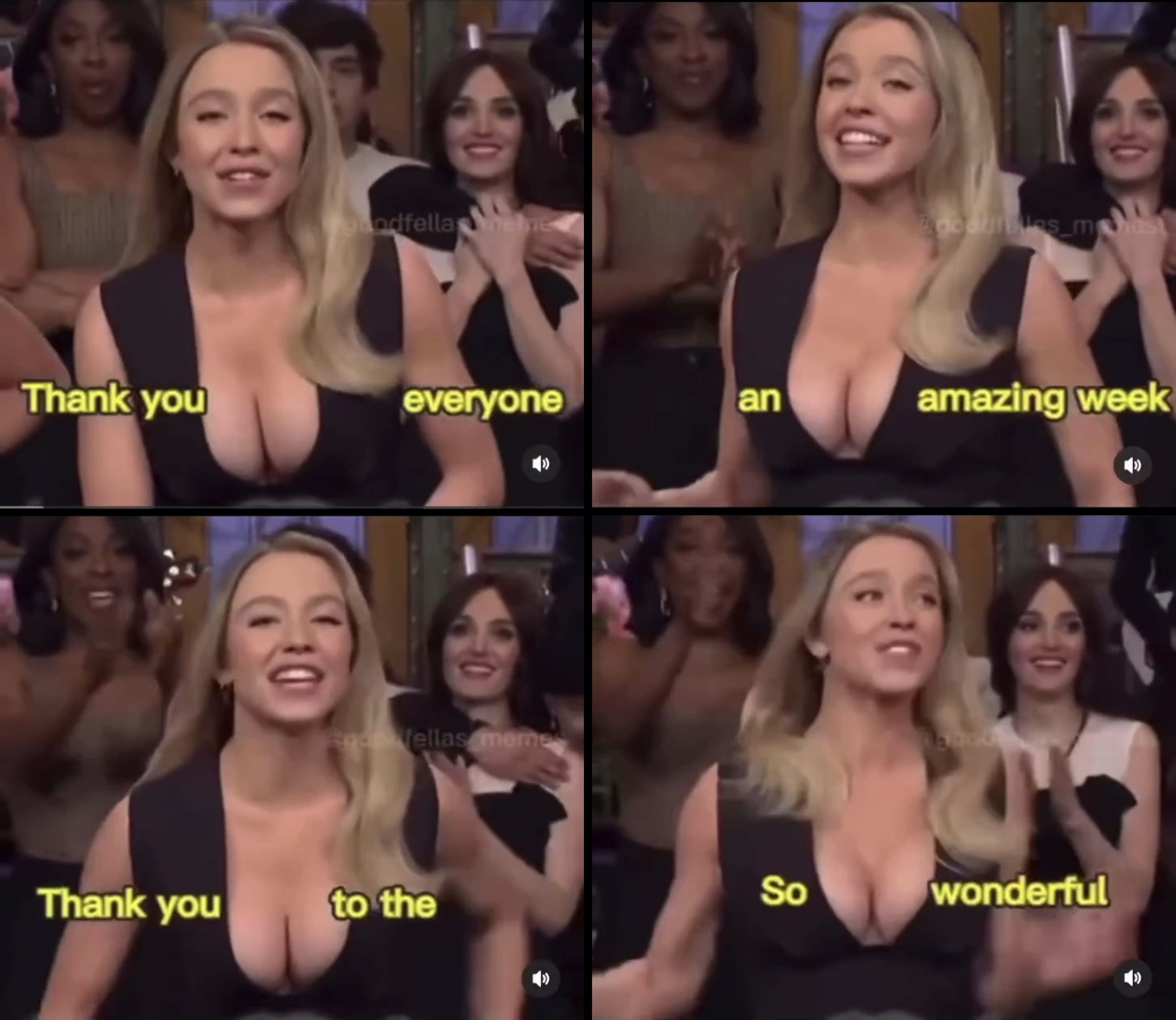
But jokes aside, as an option to learn the language of ballet — yeah. The funny thing is that ChatGPT is able to generate subtitles based on ballet movies. The quality varies but the potential is there. A prompt that might work is:
Analyze the attached ballet performance in detail and create an English .srt subtitle file that VLC can display.
GOAL
Make the emotional and narrative meaning of the choreography accessible to someone unfamiliar with ballet, while respecting the original artistic intentions.
The subtitles should feel like an intelligent, sensitive translation of the dance into language, not a technical commentary or an invented screenplay.
INTERPRETATION HIERARCHY
Follow this order of priority:
- ESTABLISHED BALLET MEANING
First, identify conventional ballet mime, pantomime, and historically established gestures.
Where a gesture has a recognized meaning, prioritize that meaning over any poetic interpretation.
Consider the ballet’s historical context, choreography, characters, and dramatic tradition.
Do not assume that every expressive movement belongs to a formal ballet-mime vocabulary.
- DRAMATIC AND NARRATIVE CONTEXT
If the performance belongs to a known ballet, identify the work, scene, characters, and relevant plot where possible.
Interpret movements in relation to that context, including relationships, conflicts, intentions, and emotional developments.
Use established interpretations of the choreography where reliable information is available.
Distinguish between what the choreography conventionally communicates and what can only be inferred.
- EXPRESSIVE INTERPRETATION
Where there is no established literal or narrative meaning, interpret the expressive qualities of the movement.
Consider:
- Body posture and movement dynamics
- Direction, reaching, withdrawal, and resistance
- Relationships between dancers
- Facial expressions and gestures
- Musical phrasing and dramatic tension
- Recurring movement motifs
- Changes in energy, space, and tempo
Translate these into plausible emotional or narrative meanings without claiming certainty.
- POETIC INTERPRETATION
Where the choreography is abstract or ambiguous, create restrained, evocative subtitles that communicate its emotional possibilities.
Prefer short, elegant, natural language.
First-person phrasing is welcome when it makes the dance more immediate.
Avoid excessive sentimentality, clichés, melodrama, and unnecessarily elaborate metaphors.
The subtitles should complement the choreography rather than overwhelm it.
IMPORTANT PRINCIPLES
- Accuracy takes precedence over creativity.
- Never invent an established meaning for a gesture.
- Do not confuse ballet technique with symbolic communication.
- Do not invent specific thoughts, relationships, or plot events without supporting evidence.
- Preserve ambiguity when the choreography is ambiguous.
- Do not force every movement into a story.
- If a movement communicates no identifiable meaning, leaving it unsubtitled is preferable to inventing one.
- Use more literal language where meaning is established and more poetic language where it is interpretive.
- Keep the artistic tone consistent throughout the performance.
- Do not add explanatory labels such as “[interpretation]” to the actual subtitles.
SUBTITLE STYLE
Write subtitles as if the dance were communicating directly with the audience.
Prefer:
“I cannot leave.”
“Will you stay with me?”
“Something draws me forward.”
“I reach, but cannot hold on.”Avoid:
“The dancer raises her right arm.”
“This movement symbolizes existential longing.”
“She is probably feeling sad.”
“I am utterly devastated by the unbearable tragedy of my existence.”The language should be expressive, clear, and understated.
TIMING AND FORMAT
- Examine the actual video and synchronize subtitles with the corresponding gestures, phrases, or dramatic moments.
- Use valid SubRip (.srt) formatting.
- Use timestamps accurate to the video.
- Prefer one or two lines per subtitle.
- Keep individual subtitles short and easily readable.
- Allow significant movement passages to unfold without subtitles.
- Avoid covering visually significant moments unnecessarily.
- Use UTF-8 encoding.
- Save a downloadable .srt file with the same base filename as the uploaded video.
ANALYSIS AND TRANSPARENCY
Before finalizing, review the entire subtitle sequence for narrative consistency and artistic restraint.
Alongside the downloadable .srt file, provide a separate, concise analysis identifying:
- The ballet and scene, if identifiable.
- Which subtitle passages are based on established ballet mime or documented dramatic meaning.
- Which passages are contextual interpretations.
- Which passages are original poetic interpretations.
- Any significant uncertainties or alternative readings.
Do not insert these explanations into the subtitle file itself.
FINAL RESULT
Create the finished .srt file, ready to load into VLC, and provide a download link.
For example, trying it out with a scene from Maillot’s «The Taming of the Shrew» lead to the following:
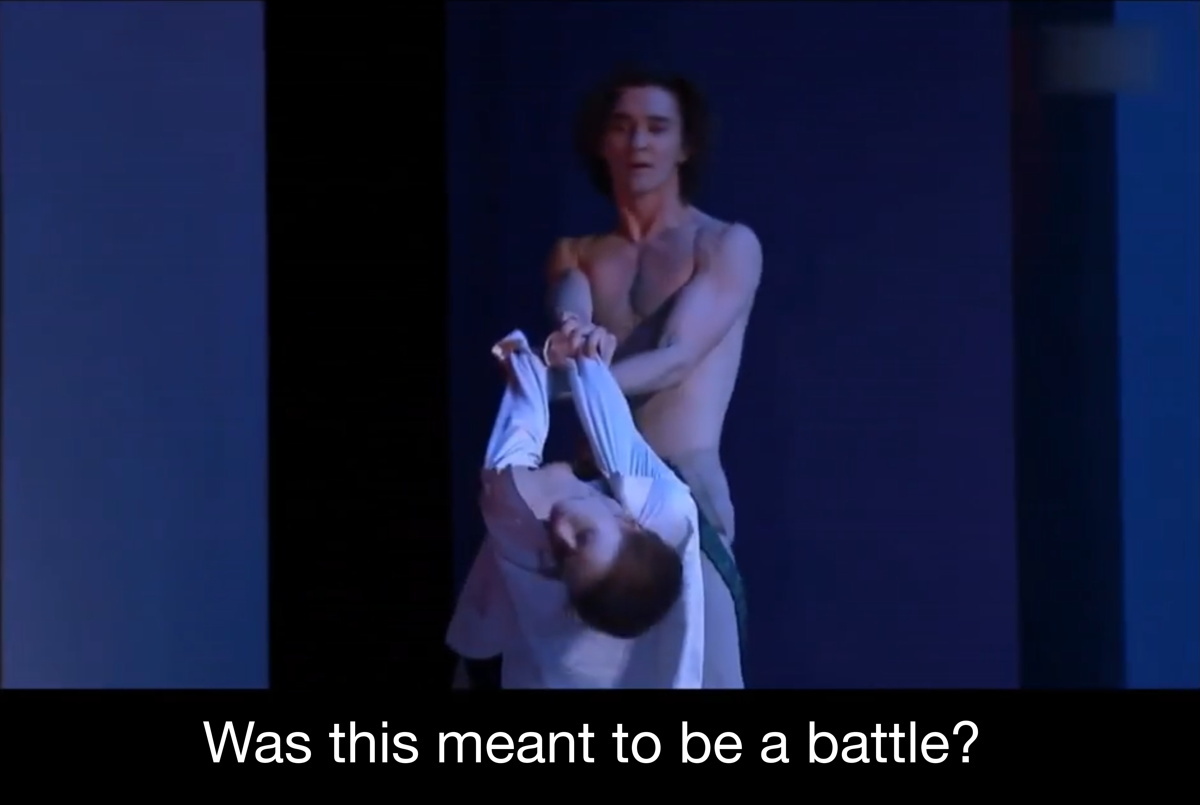
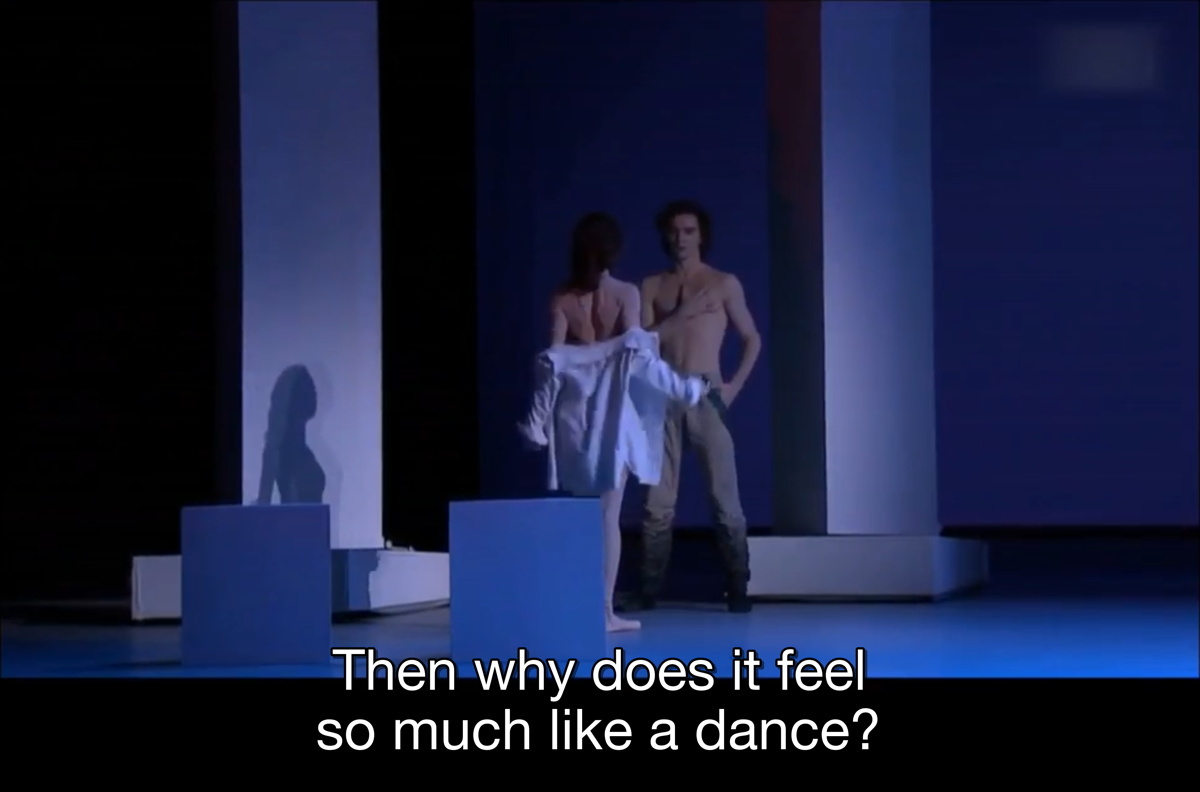
(and many other interpretative subtitles). Similarly, using this video (https://www.youtube.com/watch?v=UaO7bS5Ky6M):
ChatGPT created the following .srt file:
1
00:00:02,000 –> 00:00:07,300
For now, I remain still.2
00:00:08,000 –> 00:00:13,300
But something asks me to move.3
00:00:14,000 –> 00:00:19,200
A small gesture becomes a beginning.4
00:00:19,800 –> 00:00:25,100
I reach toward something unseen.5
00:00:26,000 –> 00:00:31,100
First, find my feet.6
00:00:32,000 –> 00:00:37,100
Then, find my balance.7
00:00:38,000 –> 00:00:44,100
There is more space than I thought.8
00:00:45,000 –> 00:00:51,100
I can turn. I can open.9
00:00:52,000 –> 00:00:58,800
I can stretch beyond where I began.10
00:01:00,000 –> 00:01:07,200
The theater is empty.
The space is mine.11
00:01:08,400 –> 00:01:14,800
There is no one to answer me.12
00:01:15,400 –> 00:01:21,700
Still, I reach out.13
00:01:22,400 –> 00:01:28,500
And move on.14
00:01:29,700 –> 00:01:35,600
Every step begins again.15
00:01:36,300 –> 00:01:42,500
A turn, a pause, another turn.16
00:01:43,100 –> 00:01:50,200
For a moment, I feel weightless.17
00:01:51,000 –> 00:01:55,000
Then the floor calls me back.18
00:01:55,700 –> 00:02:02,200
I rise once more.19
00:02:02,800 –> 00:02:09,600
Something feels lighter now.20
00:02:10,000 –> 00:02:17,200
Let the movement unfold.21
00:02:18,000 –> 00:02:25,100
I cross the space freely.22
00:02:26,000 –> 00:02:33,600
No straight road. Only motion.23
00:02:34,400 –> 00:02:41,700
An arm reaches out;
the body follows.24
00:02:42,500 –> 00:02:50,200
Round and round, until…25
00:02:51,000 –> 00:02:56,200
…there is nothing left to hold.26
00:02:56,800 –> 00:03:02,300
I come back to stillness.
Playing the video in vlc with the loaded .srt file provides you with the video and the generated subtitles:
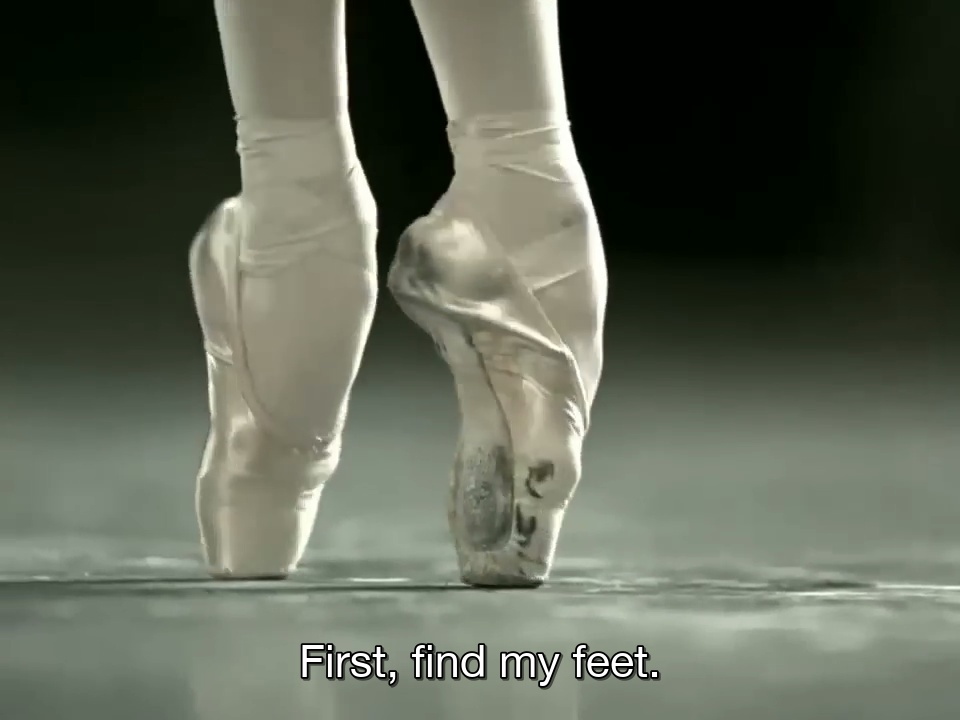
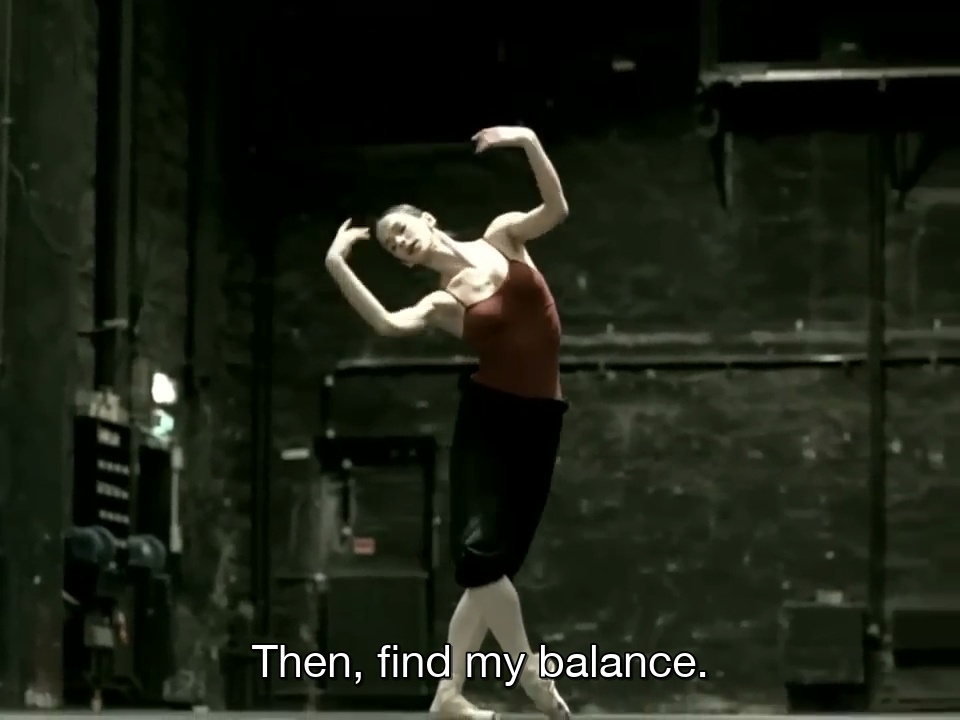
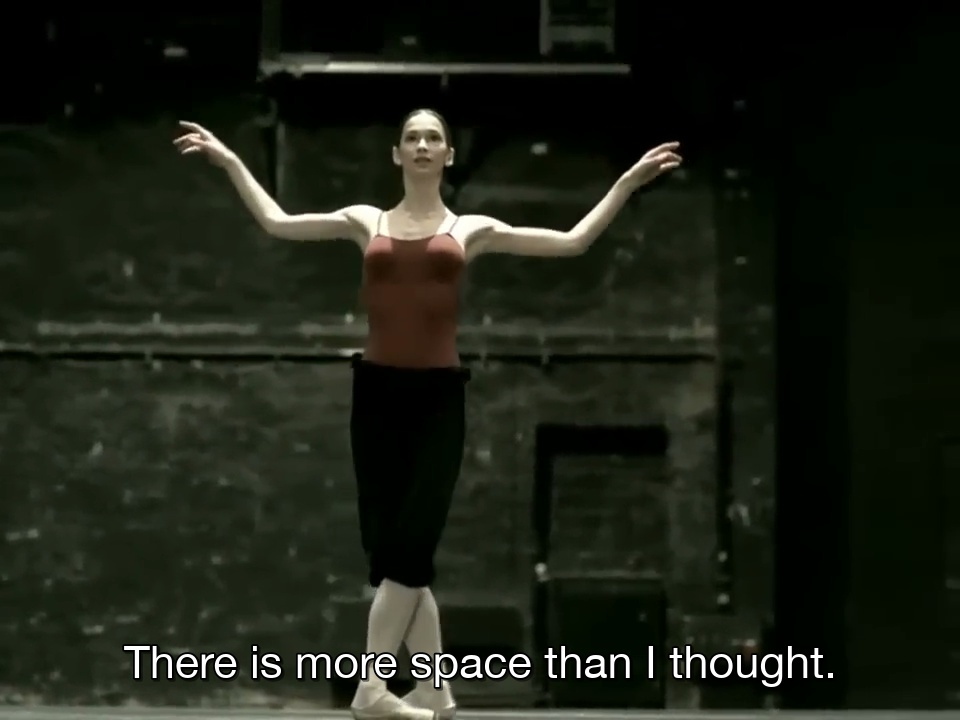
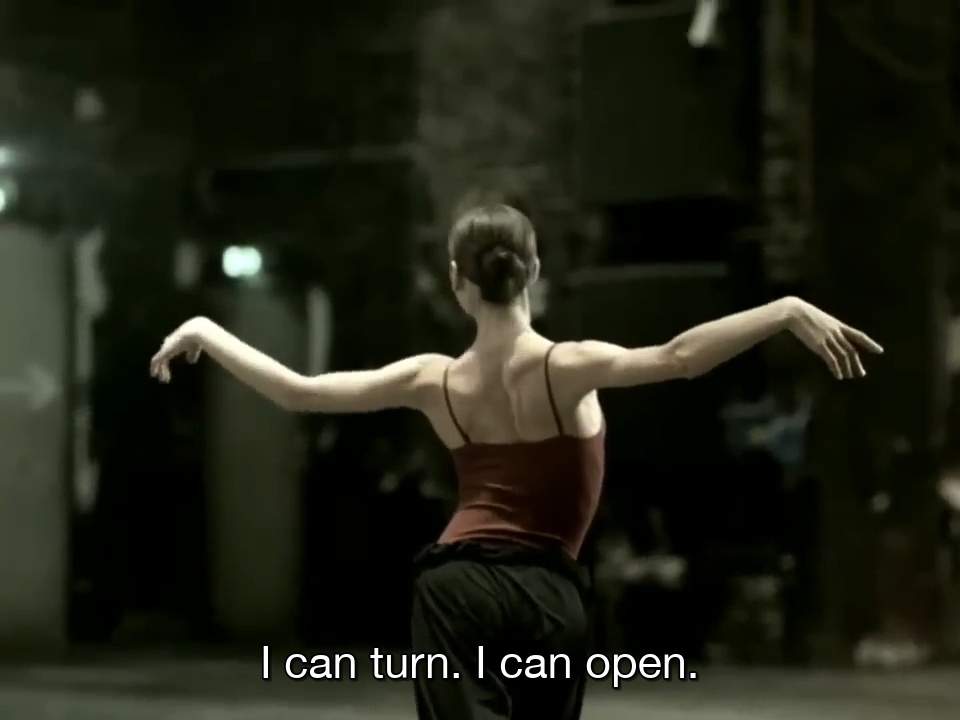
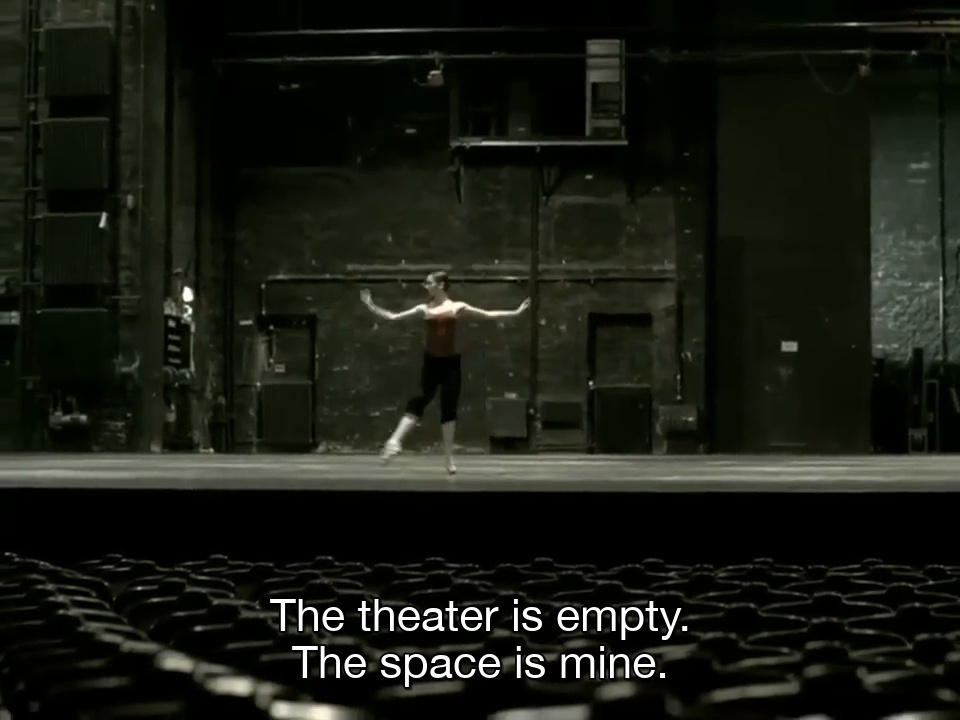
Pretty impressive. While it might be off at times, you get an interpretation of dance moves. And if you are more interested in the names of the ballet moves, ChatGPT can provide them as well. Just ask for names of particular ballet movements instead. Though I cannot verify whether it has identified them correctly — it might hallucinate here.
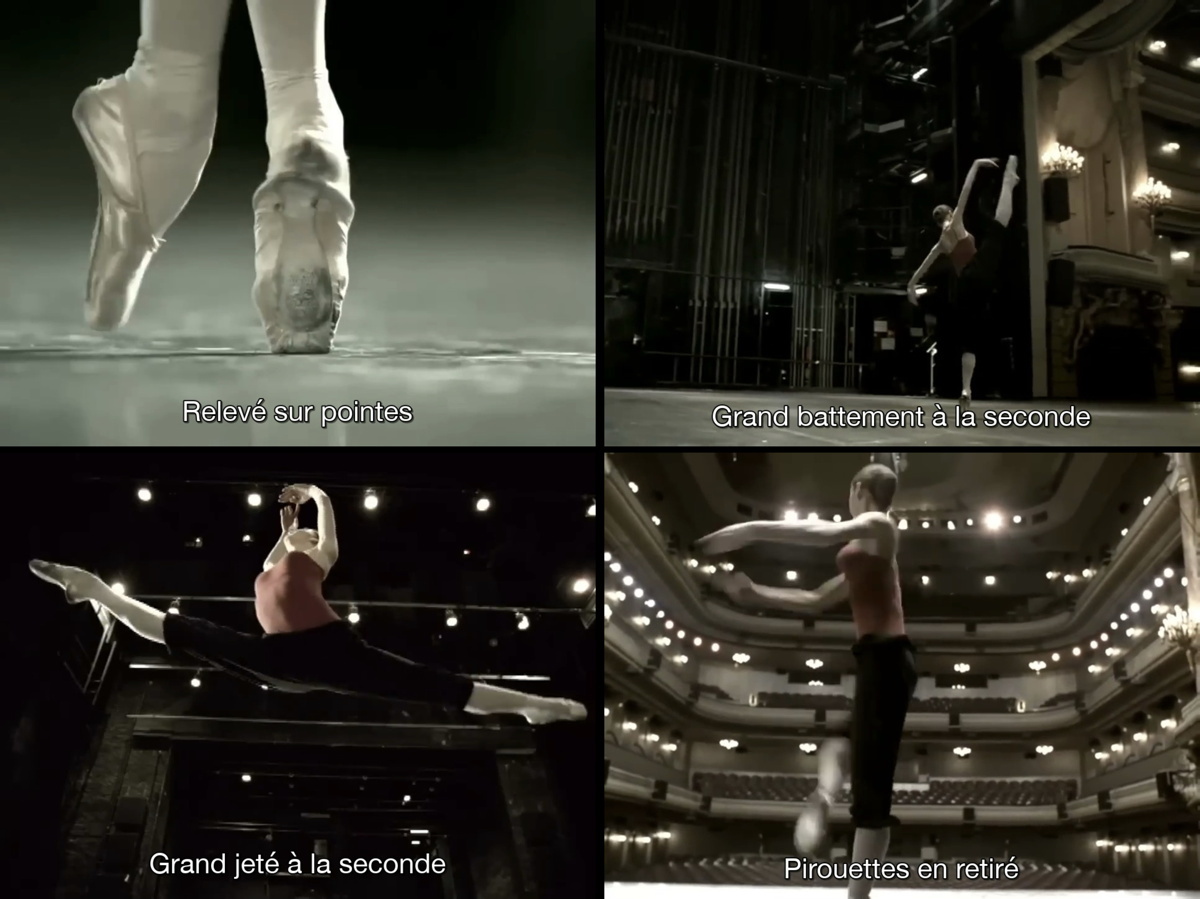
But yeah, impressive. I don’t know whether it is already done, but it might be something for ballet DVDs or streaming. Allow people to select subtitles for interpretative explanations, names of ballet moves, etc. Might be something for repeated viewing.